
How does anyone know a rental property is truly performing as well as it should be?
Many rental property owners assume that as long as rent is being collected each month, their investment is doing fine. But a property can appear stable on the surface while quietly underperforming financially, operationally, or competitively within the local rental market.
The challenge for many property owners is that underperformance often develops gradually. Small warning signs can go unnoticed until vacancy rates increase, maintenance issues become expensive, or cash flow begins to suffer.
Recognizing the signs early gives property owners the opportunity to make strategic improvements before problems become more serious.
Here are some of the most common indicators we’re attuned to that tell us a rental property may be underperforming, and what we can do about it.
Bell Properties Warning Signs:
|
Excessive and Frequent Vacancies
One of the clearest signs of underperformance is excessive vacancy. While occasional vacancy is normal, long or repeated vacancies may indicate deeper issues.
Potential causes include:
Rental pricing that is too high
Poor property condition
Weak marketing
Outdated interiors
Slow response times to inquiries
Ineffective tenant screening
Stronger competing rentals nearby
Quality rental homes often lease quickly when priced and presented correctly. If a property consistently sits vacant longer than comparable homes nearby, it may be time to reevaluate strategy. The causes we’re quick to identify include:
Rent Prices Have Not Been Reevaluated in Years
Some landlords avoid adjusting rents because they want to keep good tenants happy. While tenant retention matters, failing to review rental pricing regularly can result in substantial long-term income loss. An underperforming property may be significantly below market rent without the owner realizing it. At the same time, overpricing can also create underperformance if it causes prolonged vacancies. Successful property ownership requires balance.
Our regular market analysis helps owners remain competitive while maximizing revenue responsibly. Contact Bell Properties to access reliable pricing data.
Maintenance Problems Keep Reappearing
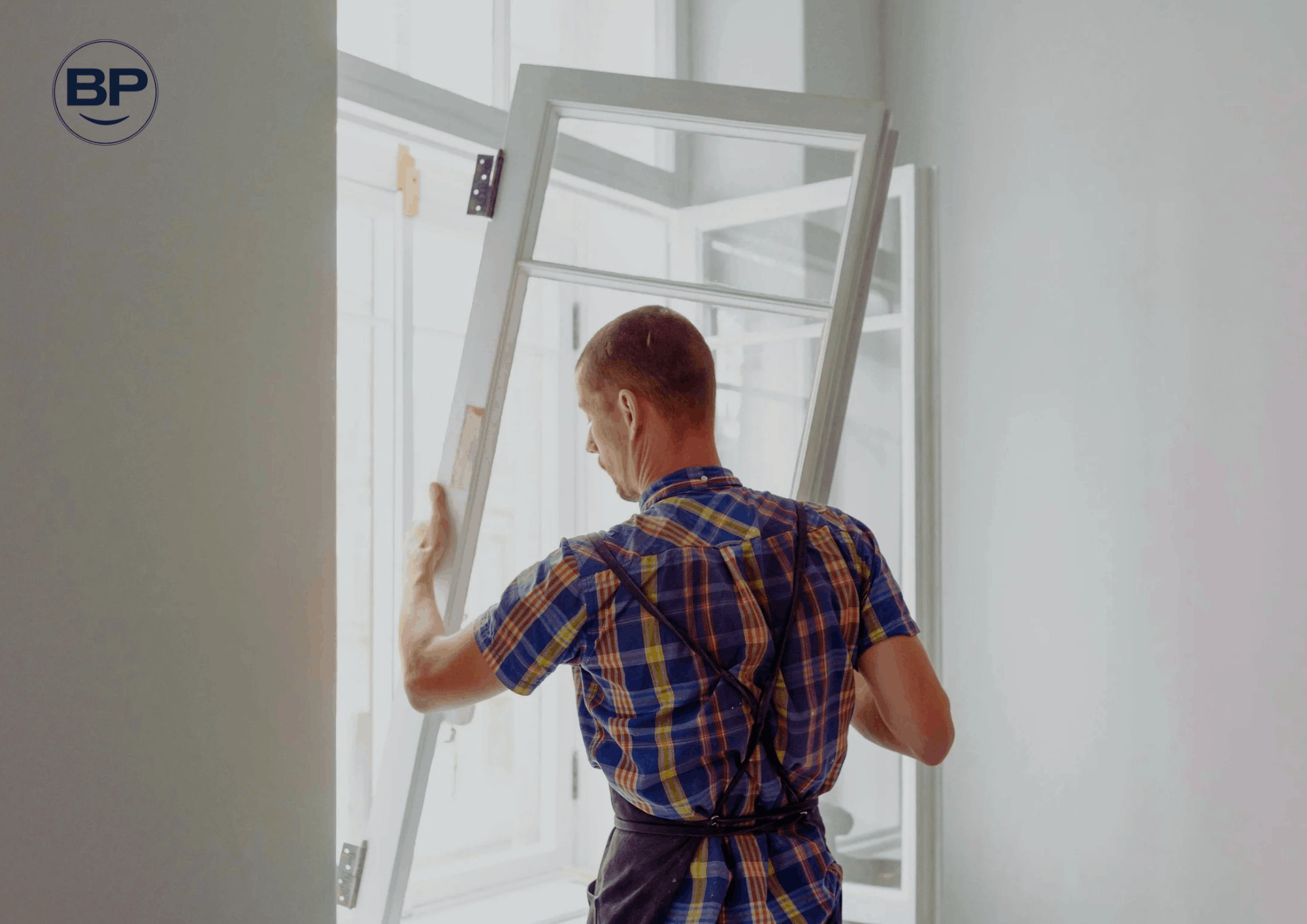
Recurring maintenance problems are often a sign that a property is underperforming operationally.
Repeated repairs may indicate:
Deferred maintenance
Aging systems
Poor vendor work
Inadequate inspections
For example, constantly patching plumbing leaks without replacing deteriorating pipes may temporarily save money while creating larger future costs. Or, postponing roof repairs or HVAC replacement can eventually lead to major damage, emergency repairs, and tenant dissatisfaction.
Strong rental performance depends heavily on proactive maintenance.
Properties that are well-maintained tend to attract better tenants, reduce turnover, and preserve long-term value.
Tenant Turnover Is Increasing
High tenant turnover is expensive and often points to deeper operational issues. If tenants regularly move out after short stays, we have to ask why.
Possible causes include:
Poor property condition
Delayed maintenance responses
Communication problems
Uncompetitive amenities
Rental price concerns
Neighborhood changes
Poor tenant screening
Long-term tenants are often one of the strongest indicators of a healthy rental property.
When turnover becomes frequent, it may signal declining tenant satisfaction or increasing competition from better-managed properties nearby.
We can identify the cause of high turnover. Contact us at Bell Properties for better tenant retention.
Cash Flow Feels Tight Despite Rising Rental Demand
Demand remains strong, even as markets across Northern California stabilize. If your property’s cash flow still feels consistently strained, underperformance could be a factor.
Some common financial warning signs include:
Long vacancies
Frequent delinquency
Excessive vendor costs
Poor budgeting
Uncollected fees
Insurance increases
Deferred maintenance catching up
Sometimes owners become so focused on monthly rent collection that they overlook operational inefficiencies reducing profitability behind the scenes. Tracking detailed financial performance metrics can reveal opportunities for improvement.
Does The Property Look Dated Compared to Competitors?
Tenant expectations evolve over time. Features that once attracted renters may now appear outdated or less competitive. A rental property may be underperforming if competing homes nearby offer:
Updated kitchens
Modern flooring
Energy-efficient appliances
Smart home technology
Better landscaping
Fresh paint
In-unit laundry
Improved curb appeal
This does not mean owners must completely renovate every few years. However, strategic updates can often improve rental value, reduce vacancy, and attract stronger tenants. We can help select the right updates that will turn an underperforming property into a profitable one. Contact us at Bell Properties.
Tenant Complaints Are Becoming More Common
 Frequent tenant complaints may indicate operational underperformance. Complaints often increase when maintenance requests are delayed or communication is inconsistent. If property conditions decline or there’s noise or neighbor issues that go unresolved, tenants quickly become unhappy.
While few rental properties operate without occasional issues, repeated complaints should not be ignored. Negative tenant experiences can lead to lower property performance.
At Bell Properties, we listen to tenant feedback because it helps us identify operational weaknesses before they become larger problems.
Lease Enforcement Has Become Difficult
Another sign of underperformance is ongoing difficulty enforcing lease terms. This may include:
Unauthorized occupants
Pet violations
Property damage
Noise complaints
Strong tenant screening, professional communication, and clear policies all contribute to better property performance. Property managers are excellent at enforcing lease agreements and balancing tenant service with tenant accountability. We can tell you more about that, so get in touch.
Owners Cannot Stop Monitoring the Market
Some property owners become disconnected from local market conditions over time. That’s often what leads to incorrect rental pricing, missed opportunities around upgrades, and outdated lease terms. Markets shift quickly. The strength depends on employment and economic trends, interest rates, local regulations, population shifts, and inventory.
Pay attention, or property performance could decline.
Bell Properties Can Spot Underperformance Early
One major advantage of working with a professional property management company like Bell Properties is the ability to identify warning signs early. We see the red flags before owners realize performance is slipping.
We’re consistently and routinely analyzing:
Vacancy trends
Tenant retention rates
Maintenance costs
Market rent comparisons
Vendor performance
Leasing activity
Property condition
Regulatory compliance
Tenant feedback
Because our experience and our capacity allow us to oversee multiple properties and stay actively involved in the local market, we can often recognize operational inefficiencies and market shifts quickly.
For example, if competing rentals are leasing faster, attracting stronger tenants, or commanding higher rents, Bell Properties property managers can identify why and recommend changes. We may suggest improvements such as strategic upgrades or pricing adjustments. We could talk about improved marketing strategies and preventative maintenance plans.
We have better tenant communication systems, and that always makes a difference. Our turnover processes are more efficient, and our maintenance relationships mean lower costs.
Our early intervention can make a significant difference in long-term property performance.
Rather than waiting until vacancies rise or repair costs become overwhelming, proactive management with Bell Properties helps owners protect both cash flow and property value.
Small Problems Often Become Expensive Problems
One of the biggest risks of rental property underperformance is that small operational issues often compound over time.
For example:
Minor deferred maintenance can become major repairs
Slightly below-market rent can create years of lost income
Poor tenant screening can increase turnover and damage
Weak documentation can create legal exposure
Slow leasing processes can increase vacancy losses
Many underperforming properties are not failing because of one major mistake. Instead, performance gradually declines due to a series of small overlooked issues. The earlier owners identify these patterns, the easier they are to correct.
Strong Performance Requires Ongoing Attention
Rental property ownership is not as passive as many “experts” might lead you to believe. Ongoing attention is needed, and when owners cannot provide that consistent attention, Bell Properties provides value. We’re constantly looking at:
Maintenance
Market conditions
Tenant experience
Financial analysis
Property presentation
Legal compliance
Operational systems
Our best advice to owners, even those owners who rent out only one property, is to treat their properties like active businesses rather than passive assets.
Consistent evaluation and improvement help properties remain competitive and profitable over the long term.
Frequently Asked Questions

What does it mean for a rental property to underperform?
An underperforming rental property may experience excessive vacancy, weak cash flow, high turnover, maintenance problems, or rental income below market potential.
How can landlords improve rental property performance?
Improvements may include updating the property, improving maintenance systems, adjusting rental pricing, strengthening tenant screening, and improving marketing efforts.
Is frequent tenant turnover a warning sign?
Yes. High turnover often increases costs and may indicate tenant dissatisfaction, property condition issues, or weak management practices.
Can preventative maintenance improve profitability?
Absolutely. Preventative maintenance often reduces expensive emergency repairs and helps preserve long-term property value.
Why work with Bell Properties?
Bell Properties can identify operational problems early, monitor market trends, improve efficiency, and help maximize long-term rental performance.
It comes down to proactive management and strategic improvements. Underperformance does not have to be normal. We know that staying competitive requires ongoing attention to both property condition and operational performance. Recognizing underperformance early allows landlords to protect their investment, improve tenant satisfaction, and maximize long-term profitability.
Let’s get to work. Contact us at Bell Properties.
