

What happens when a tenant moves out and disagrees with deductions from their security deposit?
California’s security deposit laws are detailed, tenant-friendly, and increasingly strict about documentation. A simple mistake, such as missing the 21-day deadline or failing to provide proper photos, can lead to disputes, penalties, or even small claims court.
We’re sharing recent updates to California law that have clarified deposit limits, documentation requirements, and the evidence landlords must provide when deducting for damages or cleaning.
Don’t play the guessing game when it comes to security deposits. Contact Bell Properties when there are questions. We’re staying several steps ahead of the latest laws, and we’re also implementing best practices that protect owners and their properties.
Our Overview:
|
Security Deposit Limits
California law now limits the amount most landlords can charge for a residential security deposit.
For the majority of rental properties, the maximum security deposit is equal to one month’s rent, regardless of whether the property is furnished or unfurnished. This rule applies to most landlords throughout the state and represents a significant shift from previous California regulations that allowed larger deposits.
For example:
If monthly rent is $2,500, the maximum security deposit is generally $2,500.
If monthly rent is $4,000, the maximum deposit is generally capped at $4,000.
There are limited exceptions for certain small landlords who own only a small number of properties and meet specific legal criteria, but most rental property owners should assume the one-month limit applies.
Importantly, California defines “security deposit” broadly. Any money collected beyond the first month’s rent that is intended to cover damages, unpaid rent, cleaning, or future obligations may be treated as part of the security deposit.
That means landlords cannot attempt to bypass the limit by labeling additional charges as last month’s rent, cleaning deposits, or pet deposits if those funds are effectively functioning as security.
What Can a Security Deposit Be Used For?
Owners ask us this question a lot, and California landlords need to know that they may legally deduct from a tenant’s security deposit for specific reasons, including:
Unpaid rent
Repair of damages beyond normal wear and tear
Cleaning necessary to return the unit to the same level of cleanliness it had at move-in
Replacement of personal property or furnishings damaged by the tenant
Restoration costs authorized under the lease agreement
What cannot be deducted is normal and ordinary wear and tear. This distinction is one of the most common causes of disputes.
Normal wear and tear may include:
Minor scuff marks on walls
Small nail holes
Carpet wear from ordinary use
Faded paint from sunlight
Loose door handles from age
Tenant-caused damage may include:
Large holes in drywall
Broken windows
Pet urine stains
Excessive trash removal
Missing fixtures or appliances
Unauthorized paint colors requiring repainting
The more clearly landlords document the property condition at move-in and move-out, the easier it becomes to justify legitimate deductions. If you’re struggling with documentation or not sure whether you’re looking at damage or wear and tear, contact us at Bell Properties, and we’ll provide some professional insight.
The 21-Day Deadline for Returning Security Deposits

One of the most important rules California landlords must follow is the 21-day deadline.
After a tenant vacates the property and returns possession, landlords have 21 calendar days to:
1. Return the full security deposit, or
2. Provide a partial refund along with an itemized statement explaining deductions
This timeline is strict.
Failing to comply can expose landlords to legal claims and potential penalties, including damages of up to twice the amount of the security deposit in some situations involving bad faith retention.
To stay compliant, landlords should begin the inspection and documentation process immediately after move-out.
Our best practices at Bell Properties include:
Taking detailed photos immediately
Gathering invoices and receipts quickly
Mailing the accounting statement well before the deadline
Using trackable mail or maintaining proof of delivery
Waiting until the final days often creates unnecessary stress and increases the risk of mistakes.
New Law Alert: California’s Photo Documentation Requirements
One of the most important recent developments in California landlord-tenant law involves photo documentation requirements.
When landlords make deductions from a security deposit for cleaning or damages, California law requires supporting photographic evidence.
This requirement is designed to improve transparency and reduce disputes between landlords and tenants.
Move-In Photos

Landlords should take thorough move-in photos before a tenant occupies the property. These photos should clearly document:
Walls and paint condition
Flooring and carpet condition
Appliances
Bathrooms and kitchens
Windows and blinds
Exterior areas
Fixtures and lighting
Any pre-existing damage
Move-in photos create a baseline condition record that can later support legitimate deductions if damage occurs during the tenancy. We pair photos with a written move-in checklist signed by the tenant.
Move-Out Photos
When a tenant vacates, landlords should take another complete set of photographs documenting the property’s condition after move-out. If deductions are being made for damages or cleaning, the move-out photos should specifically capture:
Dirty or excessively worn areas
Broken fixtures
Damaged flooring
Trash left behind
Appliance damage
Unauthorized alterations
Stains, holes, or missing items
The photos should be clear, detailed, and sufficient to demonstrate why the deduction was necessary. Vague or low-quality photos may not adequately support deductions if challenged.
Itemized Statements Are Required
If any portion of the security deposit is withheld, landlords must provide an itemized statement describing each deduction. The statement should clearly explain:
What was repaired or cleaned
Why the deduction was necessary
The amount charged for each item
Whether work was completed or estimated
Detailed explanations help tenants understand the charges and reduce the likelihood of disputes. The itemized statement should also correspond to the photographic evidence and receipts provided. California law generally requires landlords to provide copies of receipts, invoices, or estimates related to security deposit deductions.
Pre-Move-Out Inspections Can Help Prevent Disputes
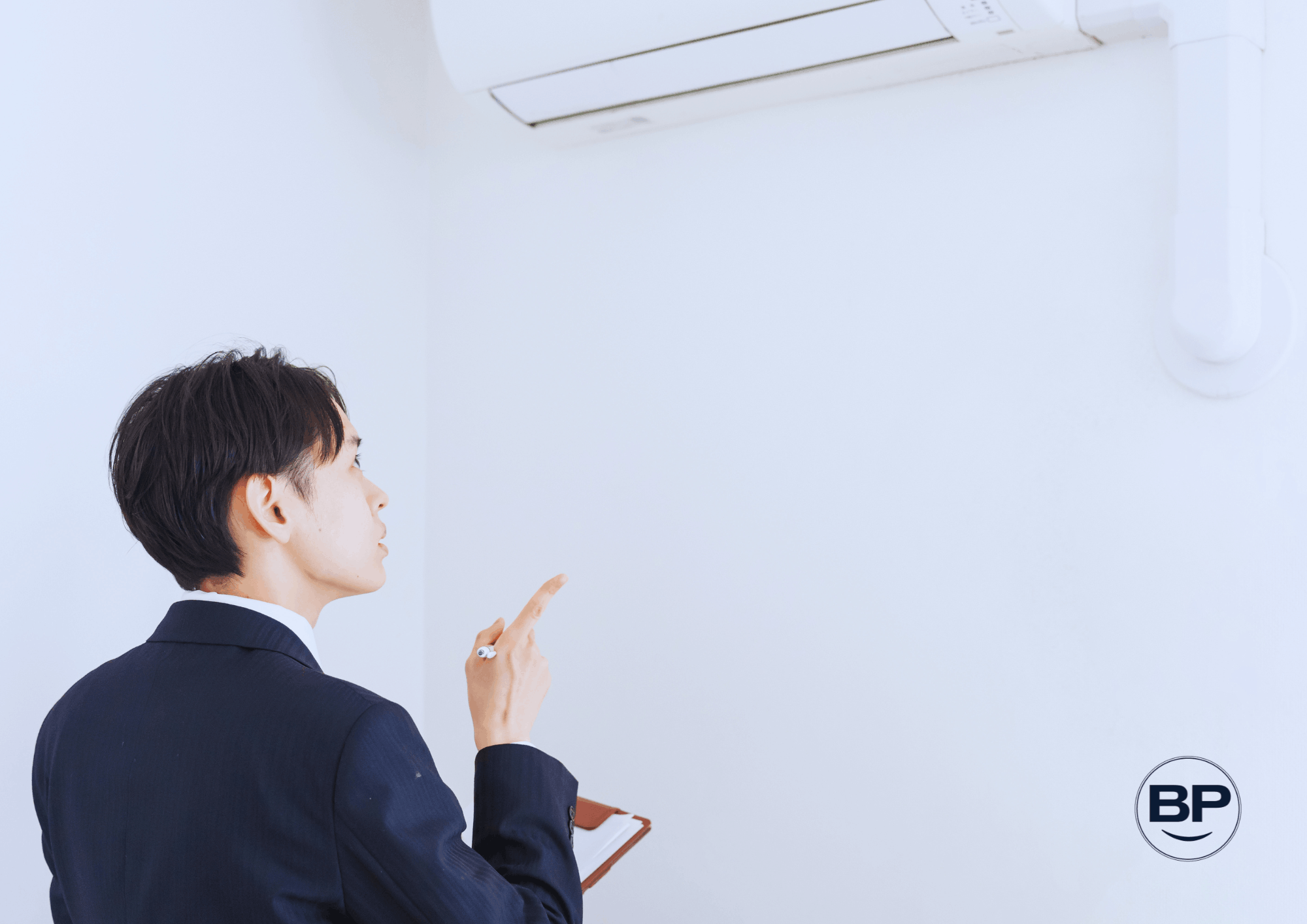
California landlords must also notify tenants of their right to request an initial inspection before move-out. This inspection gives tenants the opportunity to correct issues that could otherwise result in deductions. During the inspection, landlords may identify:
Cleaning concerns
Repair issues
Unauthorized alterations
Personal property removal needs
Providing tenants with a chance to address problems before vacating often reduces tension and minimizes disputes over the final accounting.
Not sure how you’ll conduct this inspection or even offer it? Contact us at Bell Properties, and we’ll take care of it for you.
Common Mistakes Landlords Should Avoid
As professional property managers, we see the same mistakes made over and over again. Even well-intentioned landlords sometimes make avoidable security deposit errors. Some of the most common include:
Missing the 21-Day Deadline. Late documentation or delayed refunds can create significant liability.
Failing to Provide Photos. Without photographic evidence, deductions for damage or cleaning may be harder to defend.
Charging for Normal Wear and Tear. California courts generally side with tenants when landlords attempt to charge for routine aging or ordinary use.
Poor Recordkeeping. Missing invoices, vague statements, or incomplete inspection records can weaken a landlord’s position.
Overcharging Cleaning Fees. Landlords may only charge cleaning costs necessary to restore the property to its original level of cleanliness, not to upgrade or improve the unit.
Why Does Compliance Matter?
Northern California rental markets are highly regulated and increasingly tenant-conscious.
Tenants are more informed than ever about their legal rights. Online resources, tenant advocacy organizations, and legal aid groups have made security deposit disputes far more common than in years past.
Strong security deposit practices can also:
Improve tenant relationships
Reduce litigation risk
Protect property value
Create smoother turnovers
Enhance professional reputation
Professionalism matters. Landlords who work with Bell Properties are far more likely to avoid costly disputes and maintain positive rental experiences.
Frequently Asked Questions
How much can a landlord charge for a security deposit in California?
For most residential rental properties, California law limits security deposits to one month’s rent.
How long does a landlord have to return a security deposit?
Landlords generally have 21 calendar days after the tenant moves out to return the deposit or provide an itemized statement with deductions.
Are landlords required to provide photos for deductions?
Yes. California law requires landlords to provide photographic documentation when deductions are made for damage or cleaning.
Can landlords deduct for normal wear and tear?
No. Landlords may only deduct for damage beyond ordinary wear and tear.
Do landlords need to provide receipts?
Yes. Landlords generally must provide receipts, invoices, or good faith estimates supporting the deductions taken from the security deposit.
Following these rules carefully is one of the best ways to protect both your investment and your relationship with tenants. You don’t want to be too passive with security deposits. Contact us at Bell Properties, and we’ll make sure you’re safe from legal mistakes.
