
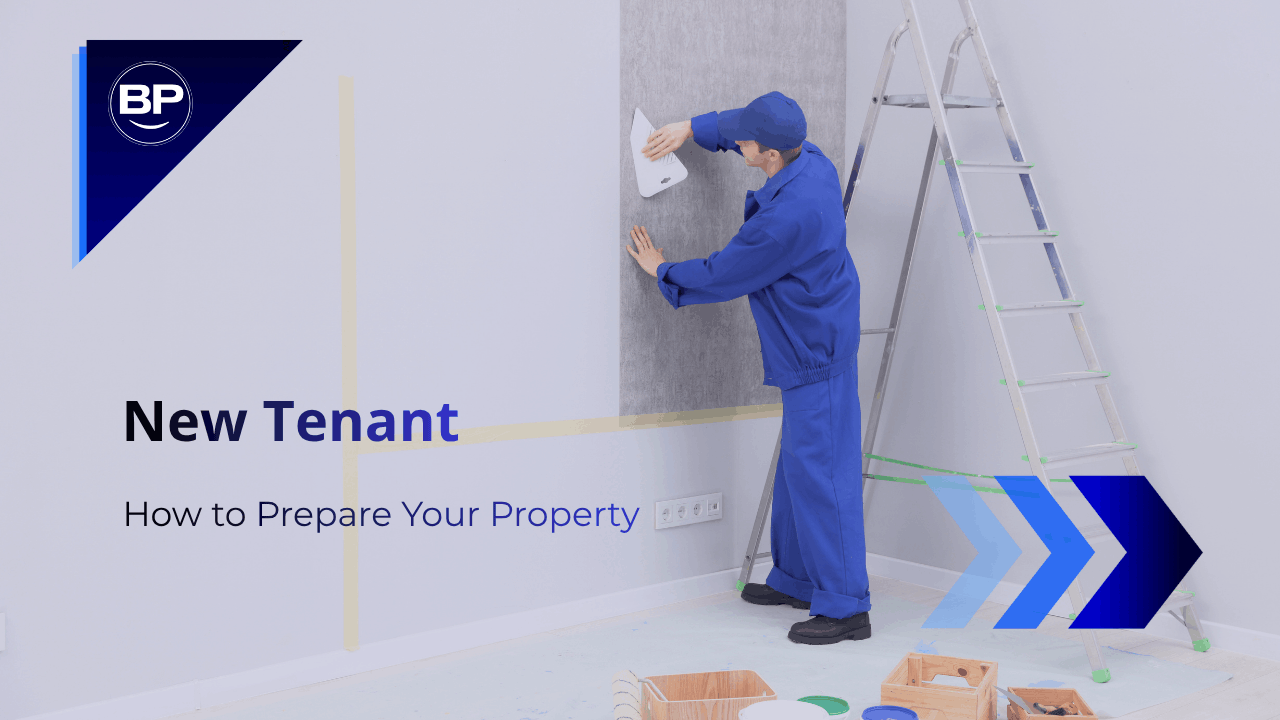
How do we know a rental property is ready for a new tenant?
At Bell Properties, we have a strict system in place that includes inspections, maintenance, updates, and cleaning. We understand the value of beginning a tenancy with a happy resident.
A strong move-in process sets the tone for the entire lease cycle, reduces future maintenance issues, and improves tenant satisfaction. Without preparing the home properly for a new tenant, owners can expect complaints, maintenance requests, and eventually, turnover.
Preparing a rental property for a new tenant isn’t just about cleaning and handing over the keys. This needs to be a structured process that blends inspection, maintenance, compliance, and presentation.
We can help with this. Here’s a comprehensive, field-tested approach to getting a rental property move-in ready that’s used by our team at Bell Properties.
Bell Properties Overview:
|
Start With a Thorough Move-Out Inspection
Preparing a property for a new tenant actually begins when the previous tenant moves out.
Before any owner can prepare the property, it’s important to understand its current condition. A detailed move-out inspection should compare the property against the original move-in condition report.
Focus on:
Wall damage (holes, scuffs, unauthorized paint)
Flooring wear (stains, scratches, carpet condition)
Appliance functionality
Fixtures (lights, faucets, cabinet hardware)
Signs of neglect or unauthorized alterations
Document everything with time-stamped photos and written notes. This serves two purposes: it supports any security deposit deductions and provides a clear work scope for the approaching turnover process.
Complete All Necessary Repairs First

One of the most common mistakes landlords make is deferring minor repairs. What seems small during turnover becomes a major inconvenience to a new tenant. Address all issues before listing or move-in:
Fix leaks, even minor ones. Check under sinks and behind tubs.
Repair or replace damaged flooring. Whether it’s carpet or hard surface floors, new tenants will not want to see stains, scratches, or fading floors.
Patch and repaint walls where needed.
Ensure all doors and windows open, close, and lock properly.
Test appliances thoroughly (not just visually).
If a component is nearing the end of its life, evaluate whether proactive replacement makes more financial sense than a reactive repair. Think about a water heater or a refrigerator. If it’s looking like it will need to be replaced within a year, replacing it before a tenant moves in is a good idea. Choose something efficient and attractive to increase both rent and tenant interest.
We know that tenants judge property quality quickly. A well-maintained unit signals professionalism and often leads to better tenant behavior in return. If there’s a question about whether something should be repaired or replaced, contact us at Bell Properties. We’ll help make the right call.
Deep Clean Beyond Surface-Level Standards
Hire exceptional cleaners. “Clean enough” is not sufficient because good tenants will not be willing to move into someone else’s dirt. The property should feel as close to new as possible.
A proper turnover cleaning includes:
Steam cleaning carpets or polishing hard floors
Cleaning inside cabinets, drawers, and closets
Scrubbing bathrooms (grout, tile, fixtures)
Degreasing kitchen surfaces, including behind appliances
Cleaning windows, blinds, and baseboards
Odor removal is especially important. Lingering smells from pets, smoke, or cooking can immediately create a negative impression, even if the property looks clean.
We have excellent relationships with cleaners and cleaning companies. Their consistency and speed are impressive, and we’d be happy to share those relationships when it’s time to prepare for a new tenant. Contact us for details.
Repaint Strategically to Attract Good Tenants
Fresh paint can dramatically improve the perceived value of a rental property, but we caution owners to be strategic about what gets painted. Use a targeted approach that includes:
Repainting high-traffic areas with visible wear
Maintaining neutral colors to appeal to the widest tenant pool
Touching up rather than fully repainting if walls are in good condition
Consistency matters. Patchy or mismatched paint jobs can look worse than light wear, so if in doubt, repaint the entire wall. We choose durable, washable finishes. This reduces turnover costs in future cycles.
Ensure Safety and Legal Compliance
Before a new tenant moves in, a rental property must meet all applicable safety and habitability standards. In Northern California, enforcement of habitability standards has only become stricter in recent years. At minimum, verify:
Smoke detectors and carbon monoxide detectors are installed in the right places and functional
Electrical systems are safe (no exposed wiring or faulty outlets)
Plumbing systems are leak-free and properly draining
Heating and cooling systems are operational
Locks and security features are functioning
Depending on what type of property is being rented out, additional requirements may include window egress compliance, handrail and stair safety, and a pest-free certification. Multifamily buildings will need to be retrofitted and inspected, and older properties will need a lead-based paint disclosure.
Local property management is critical. Non-compliance isn’t just a risk; it can result in fines, legal exposure, or inability to enforce lease terms. Contact us at Bell Properties to be sure everything checks out before re-renting a home.
Service Major Systems Inside the Rental Home Proactively
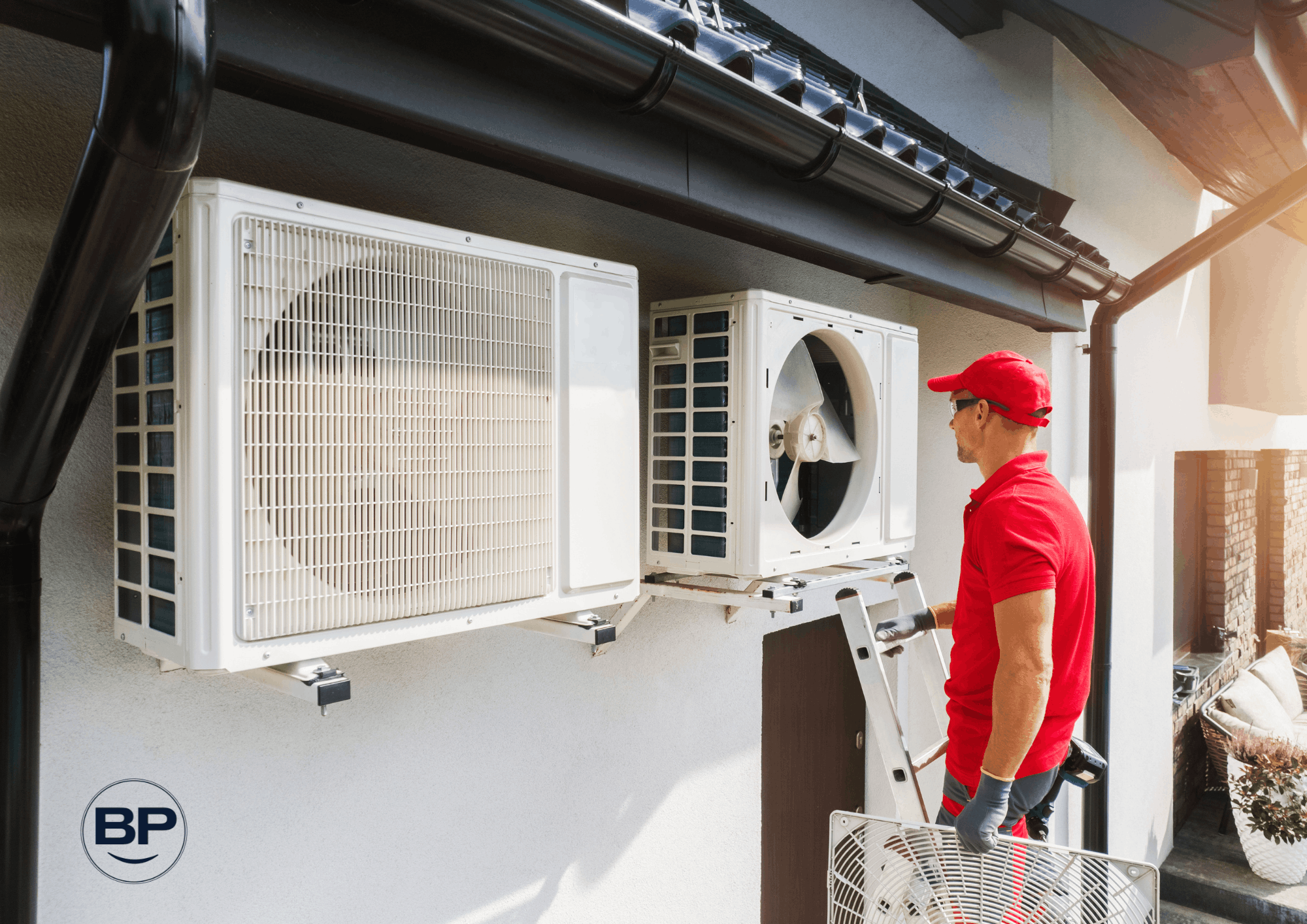
Preventative maintenance during turnover is significantly cheaper than emergency repairs mid-lease.
Consider scheduling:
HVAC servicing and filter replacement
Water heater inspection
Pest control treatment
Gutter cleaning (if applicable)
Landscaping refresh
This step is often overlooked because systems may appear functional and operational, but hidden issues tend to surface under tenant use. Preventative maintenance is far more cost effective than emergency repairs. This small upfront investment can reduce service calls later in the tenancy and protects a rental home’s profitability.
Optimize the Property’s Presentation
Beyond functionality, presentation directly impacts how quickly a rental home is leased, and at what rental value. Tenants in Northern California are selective and their expectations are high.
Simple upgrades can deliver strong returns:
Replace outdated fixtures such as faucets and backsplash
Update cabinet hardware and drawer pulls
Install modern, consistent lighting (for example, LED bulbs throughout)
Improve curb appeal with basic landscaping
If a rental property competes in a higher-end segment, consider incremental upgrades like new countertops, stainless appliances, or hardwood flooring.
Think in terms of tenant perception: the goal is to make the property feel well-maintained, modern, and worth the asking rent.
Walk Through the Home and Test Everything Like a Tenant Would
Before listing or handing over keys, walk through the property as if you were the incoming tenant. We do this every time a new tenant is preparing to move in. We’ll turn on all lights, run the faucets and the showers, and flush the toilets. We test appliances and the heating and the cooling.
We’ll open and close doors and windows as well as cabinets and drawers. Our team checks for water pressure consistency and noise issues like squeaks and rattles. We’ll make sure temperature control is manageable and look for anything that might disrupt a smooth move-in. This “functional walkthrough” often reveals small issues that earlier inspections missed.
Prepare Documentation and Lease Materials
At Bell Properties, we’re all about the details. We have the following ready:
A clear, legally compliant lease agreement
Move-in checklist or condition report
Maintenance request procedures
Emergency contact information
Rules and policies (parking, trash, etc.)
Providing structured documentation sets expectations early and reduces confusion later. Digital delivery (via email or tenant portals) improves accessibility and record-keeping. If you’re not set up for this kind of welcome, contact us at Bell Properties and we’ll make sure the property, and the incoming tenant, is prepared.
Final Walkthrough Before Move-In

Always perform a final walkthrough immediately before tenant occupancy. This is the best opportunity to confirm:
Cleaning is complete
Repairs are finished
No new damage has occurred
Property is empty and ready
This is the last opportunity to catch issues before they become tenant complaints during the move-in process.
Our FAQs
1. How clean should a rental property be before a new tenant moves in?
It should be professionally clean and comparable to a hotel or newly prepared home. Anything less increases the likelihood of complaints. It’s also useful to remember that you expect tenants to return the property in the same clean condition that they receive it. You’re setting a standard.
2. Do I need to repaint between every tenant?
No. Repaint only where necessary. However, heavily worn or marked walls should always be addressed.
3. What’s the most commonly overlooked turnover task?
Preventative maintenance, especially HVAC servicing and small plumbing issues.
4. Should I upgrade the property between tenants?
Only if the upgrade justifies higher rent or reduces long-term maintenance costs. Focus on high-impact, cost-effective improvements.
5. How long should tenant turnover take?
Working with Bell Properties, it typically takes 3–14 days, depending on the condition of the property and scope of work.
Preparing a rental property for new tenants allows owners to create a predictable, repeatable system that supports long-term rental success.
We can help. Contact us at Bell Properties for any move-in help and property management support.
