
Worried about having to evict a tenant?
It’s unpleasant for everyone. It’s also expensive and time-consuming.
At Bell Properties, we work very hard to avoid evictions. With our prevention strategies, we’ve found that we can minimize eviction risk without sacrificing what’s earned on a rental property.
Here’s how we stop evictions before they get started.
Summary of Strategies:
|
It Starts with Screening: Place and Retain Quality Tenants to Avoid Eviction
Evictions are expensive, time-consuming, and stressful. They disrupt cash flow, strain landlord-tenant relationships, and can leave properties sitting vacant while legal proceedings unfold. While no screening process can eliminate risk entirely, thorough and consistent tenant screening dramatically reduces the likelihood of ever reaching that stage.
Strong screening begins with clear, objective criteria. In California, this is required to avoid any perception of discrimination. At Bell Properties, our rental criteria includes verifying income to ensure affordability, reviewing credit history for patterns of missed payments, and confirming stable employment. A tenant who comfortably meets income thresholds and demonstrates responsible financial behavior is far less likely to need to be evicted. Can the tenant afford the rent? That’s going to tell us if eviction is likely.
Rental history is equally critical. Speaking directly with previous landlords can reveal valuable insights: Did the tenant pay on time? Were there complaints from neighbors? Did they maintain the property well? A pattern of responsible tenancy in the past often signals responsible tenancy in the future. Conversely, repeated disputes or frequent moves may indicate elevated risk.
Background checks also play a role in protecting your property and community. While decisions must always comply with local laws and fair housing regulations, identifying serious red flags early helps prevent future legal complications.
Ultimately, eviction prevention starts long before a lease is signed. By investing time upfront to assess financial stability, rental history, and reliability, landlords significantly lower the probability of missed payments, property damage, and costly legal action. Careful screening doesn’t just select a tenant, it safeguards income, properties, and peace of mind.
Create a Rent Collection Policy and Communicate Expectations to Tenants

Most evictions occur because of late or missing rent payments.
A clear, structured, and consistently enforced rent collection policy sets the tone from day one and removes ambiguity around expectations. When tenants fully understand when rent is due, how it should be paid, and what happens if it’s late, the likelihood of misunderstandings and missed payments drops significantly.
The foundation of this approach begins at lease signing.
Payment terms should be explained in plain language, not just buried in the contract.
Tenants should know the due date, accepted payment methods, grace periods (if any), and late fee structure.
Walking through these details during move-in reinforces that rent collection is a professional process, not a casual arrangement.
Clarity at the outset prevents disputes later.
Consistency is just as important as clarity. If late fees are outlined in the lease but never enforced, tenants may assume deadlines are flexible. On the other hand, when policies are applied fairly and uniformly, tenants understand that timeliness matters. Predictable enforcement builds accountability without hostility.
Ongoing communication also plays a key role in avoiding late payments and ultimately, evictions. Automated reminders before the due date, prompt follow-up if payment is late, and early outreach when a tenant communicates financial difficulty can stop minor issues from becoming chronic problems. Many evictions stem from prolonged silence rather than immediate hardship. Addressing concerns early opens the door to payment plans or short-term solutions that preserve the tenancy.
At Bell Properties, we know that a well-managed rent collection system protects both parties. Tenants benefit from clear expectations and professional communication, while landlords maintain steady cash flow and reduce legal risk. By setting standards early and reinforcing them consistently, owners create a culture of responsibility that significantly lowers the chance of eviction becoming necessary.
Payment Arrangements and Agreements
 What if rent is late and the tenant asks to make a partial payment or wants to pay half now and half mid-month?
Normally, this would be unacceptable. A successful rental property requires consistency and as we discussed, enforcement.
However, if a payment arrangement or agreement will prevent an eviction, it may be worth considering. If a payment arrangement is made, follow these protocols:
1. Confirm the Full Amount Due in Writing
Document the exact balance owed, including outstanding rent, late fees (if applicable under the lease), and any other permitted charges. Both parties should agree on the total before creating a plan.
2. Create a Written Payment Agreement
Never rely on verbal agreements. The document should clearly state the total that’s owed, the payment schedule that has been agreed to (dates and amounts), how payments will be applied (current rent first or past due first), consequences of missed payments, and language that says the original lease terms remain in effect. Both landlord and tenant should sign and date the agreement.
3. Keep the Agreement Short-Term and Specific
Payment plans should be realistic but time-bound. Long, open-ended arrangements increase risk. Structure installments in manageable amounts while ensuring the balance is cleared within a defined period.
4. Require On-Time Ongoing Rent
The agreement should specify that regular monthly rent must continue to be paid on time in addition to arrears payments. Falling behind again should void the arrangement.
5. Clarify Default Terms
State clearly what happens if a payment is late or a payment is missed. Decide how partial payments might be handled. Specify whether eviction proceedings will resume immediately upon default.
6. Document All Payments
Provide receipts and maintain a detailed ledger. Accurate records are critical if legal action becomes necessary later.
7. Avoid Waiving Rights Unintentionally
Include language that accepting partial payments does not waive your right to enforce the lease if the agreement is broken.
8. Communicate Professionally and Consistently
Follow up immediately on missed deadlines. Delays can weaken your position and signal flexibility where there is none.
A payment arrangement is a structured solution and not an informal favor. Maintaining professionalism protects both the property and the tenancy.
When handled correctly, payment arrangements can preserve occupancy, recover arrears, and avoid costly eviction proceedings. The key is clarity, documentation, and consistent enforcement.
Notices and Eviction Proceedings as a Last Resort
Have you exhausted all possible options, but tenants are still not paying rent or still refusing to communicate? Contact us at Bell Properties, and we’ll see what we can do to make the situation a little easier to deal with. At that point, it’s often most important to simply get the property back. It might make sense to try to work out a situation with tenants wherein they leave quickly without the eviction on their record. This is commonly called “cash for keys” and it can end up saving owners money on eviction costs and legal delays.
When owners have exhausted all other options or the tenant refuses to communicate with them, it may be that there is no other choice but to take the necessary steps towards eviction. Sometimes, receiving a Pay or Quit Notice will motivate a tenant to catch up with the rent that’s due. Or, they’ll move out quietly and leave the keys behind. Not an ideal situation, but at least the tenant has vacated and the property can be re-rented again.
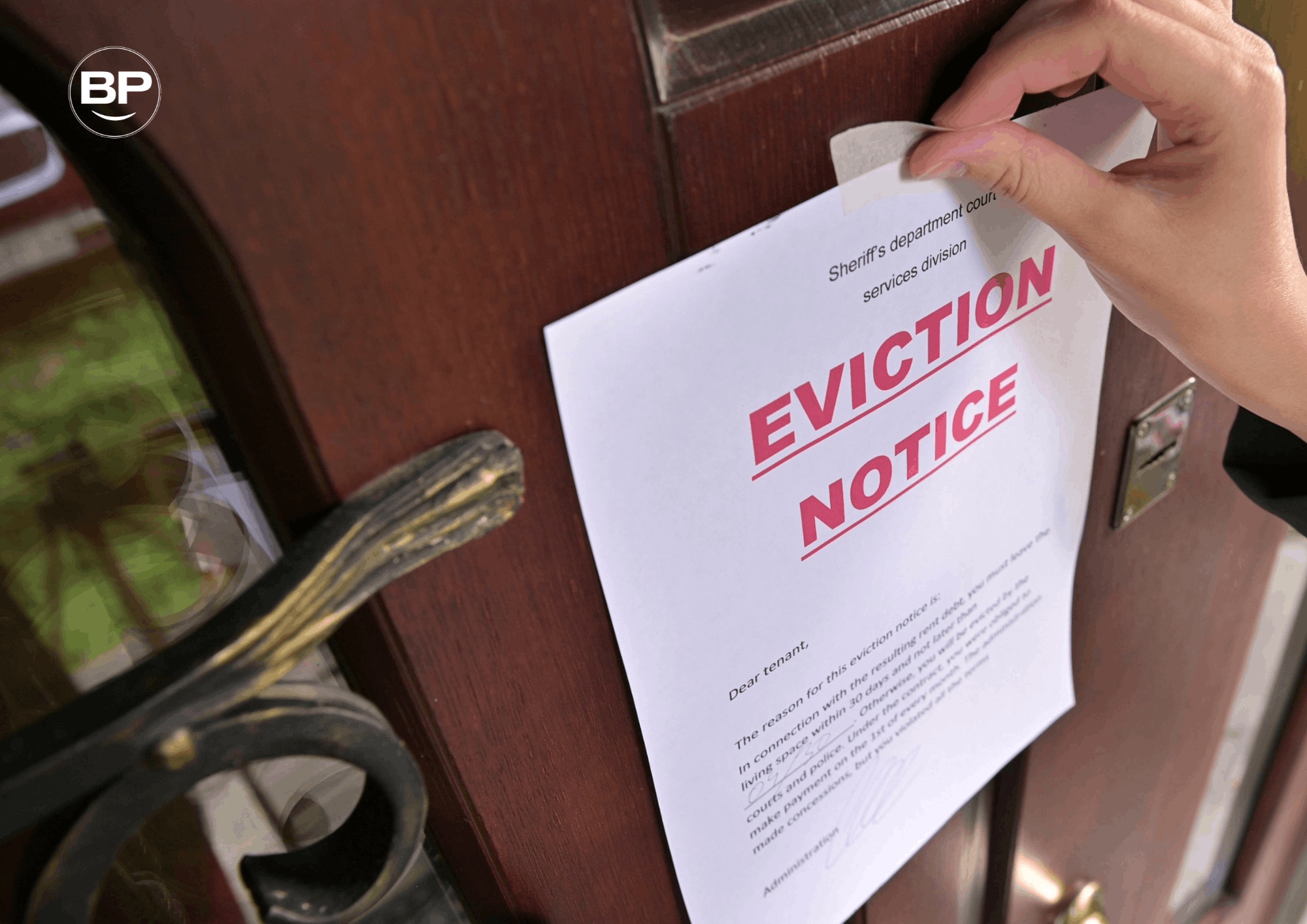
When it is impossible to avoid eviction, begin by serving a Three-Day Notice to Pay Rent or Quit. This formal notice launches the eviction process. It will tell tenants they have those three days to catch up or to move out. Landlords often receive their payment within those three days, and if that does not happen, it’s acceptable to move towards eviction at the court.
Eviction should only be done if all other options have failed. In California, landlords are required to go through a strict legal process to evict a tenant. It takes time. Filing for eviction requires giving the tenant a written notice to quit, filing a complaint with the court, and attending a hearing. It’s a time-consuming and costly process that should only be done if all other alternatives have been exhausted.
The failure to pay rent can be a stressful situation for landlords, but it’s important to handle the situation correctly and professionally. Pay attention to the established tenant screening process so there’s no question well-qualified tenants are being placed. Develop good relationships with renters so they understand your expectations and requirements.
Avoiding eviction whenever possible protects income and long term profitability. We don’t have to tell California landlords that evictions are costly, time-consuming, and disruptive. The thing is: most are preventable with the right systems in place.
From thorough tenant screening to clear rent collection policies and structured payment arrangements, proactive management significantly reduces risk. Partnering with Bell Properties adds another layer of protection. With professional screening processes, consistent enforcement procedures, and experienced oversight, we help identify issues early and address them strategically. The result is greater stability, stronger tenant relationships, and fewer costly legal proceedings, allowing you to focus on long-term portfolio growth with confidence.
Let’s make sure eviction is rare. Contact us at Bell Properties.
