
Is it possible to renovate a rental property without overspending?
Yes, as long as it’s understood what tenants want, where improvements are especially necessary, and how competing properties are setting themselves apart on the market.
Renovations can often justify higher rents, which means returns are possible on the investment that is made into the property. The right updates and upgrades will also reduce vacancy and attract stronger tenants.
The trick is balance. Owners need to approach renovations strategically. Overspending on upgrades that tenants don’t value, or that exceed neighborhood standards, can quickly compress margins.
At Bell Properties, we help owners achieve this balance. We guide landlords and investors towards targeted, cost-effective renovations that align with tenant expectations in Northern California while preserving profitability.
Here are some of the things to think about.
Bell Properties Summary:
|
Smart Renovations Begin with the Market, not a Specific Property
Before making any upgrades, anchor all decisions in local rental data. This is why data-driven insights are so important. It’s important to understand what other properties are doing because that’s what tenants are looking at, too. They’re comparing not only prices, but what they get for those prices.
Renovate to meet or slightly exceed the immediate local competition. There is no sense in renovating to luxury standards unless the property is positioned for that tier.
Analyze comparable listings and identify:
Common finishes and features found in these homes
Average rent ranges for properties similar to the one you are renting out
Time on market and whether any concessions were made
Not sure about where to find the best data? Contact us at Bell Properties. We can be especially valuable here, providing real-time insight into what renters are actually willing to pay for.
Focus on High-Impact, Low-Cost Kitchen Updates
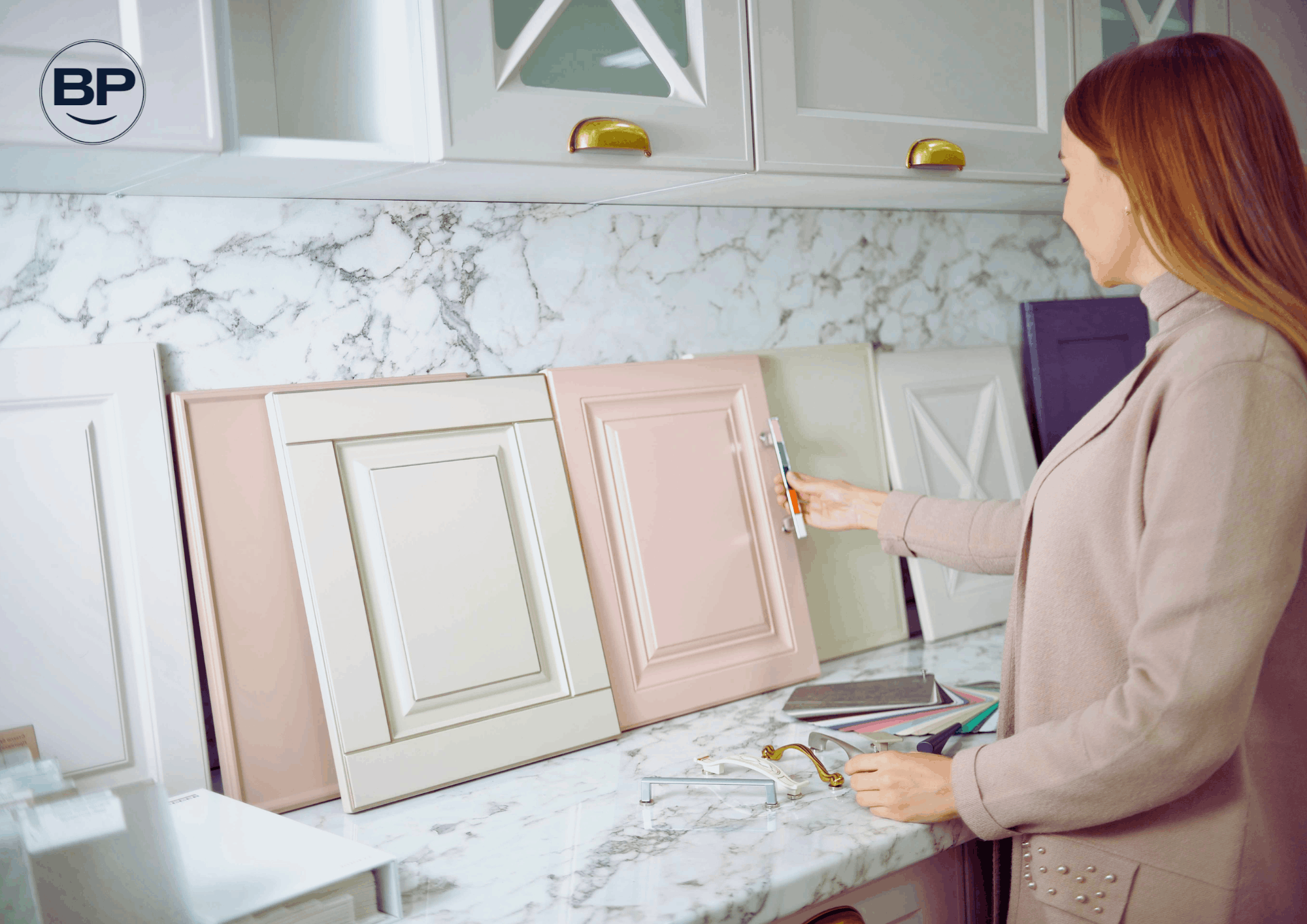
Kitchens have always been important in rental homes, and they always will be important in rental homes.
This space remains one of the most influential areas for prospective tenants, and that means they need attention. But full remodels are rarely necessary. Instead, prioritize targeted upgrades. Every property is different, and we’d be happy to provide some customized ideas for your rental property’s kitchen. Until then, these are the general recommendations we often make:
1. Cabinet Refresh (Instead of Replacement)
Replacing cabinets is expensive and often unnecessary. So don’t replace them. Instead, consider repainting or refacing existing cabinets. It’s also a good idea to update hardware such as handles and knobs. This alone can dramatically modernize the space at a fraction of the cost.
2. Selective Countertop Upgrades
How do the counters look? Surface areas are always going to get attention from tenants during showings. If countertops are outdated or damaged, upgrading to durable mid-range materials (like quartz or laminate with modern finishes) can improve perception without overspending. Avoid ultra-premium materials unless the property supports higher rents.
3. Modern Fixtures and Lighting
Swapping outdated faucets and installing contemporary lighting can elevate the entire kitchen aesthetic with minimal investment.
Durable, Attractive Flooring Pays for Itself
Flooring is one of the most visible and most abused elements in a rental property. There’s a lot of traffic moving through rental homes, and the floors absorb it all. Carpet, while inexpensive and often the standard for most rental homes, often leads to:
Frequent replacement
Odor retention
Allergen collection
Lower perceived quality
Instead, many Northern California landlords are transitioning to luxury vinyl plank (LVP) floors and engineered hardwood. Why does this matter? It provides increased durability, it allows for easier maintenance, and it provides improved visual appeal. While the upfront cost is higher than carpet, lifecycle costs are often lower due to reduced replacement frequency. Tenants generally prefer hard surface flooring too, especially in living areas.
Fresh Paint: Simple, Effective, Essential
Few upgrades deliver as much return for as little cost as a fresh coat of paint. This should be a routine part of most turnovers.
Best practices when it comes to paint include:
Stick to neutral, modern tones (soft grays, warm whites)
Use durable, washable finishes
Repaint high-traffic areas more frequently
In competitive markets like those we work in throughout Northern California, tenants expect a clean, well-maintained interior. Worn or outdated paint can quickly turn prospects away, even if everything else is in good condition.
Upgrade Lighting for Immediate Impact
Lighting is often overlooked in rental properties, and that surprises us because it significantly affects how a property feels to prospective tenants. The simple upgrades we recommend include:
Replacing outdated fixtures with modern designs
Installing consistent lighting throughout the unit
Using brighter, energy-efficient bulbs (LED)
In many older properties, improving lighting alone can make spaces feel larger, cleaner, and more inviting.
Bathroom Improvements That Don’t Break the Budget
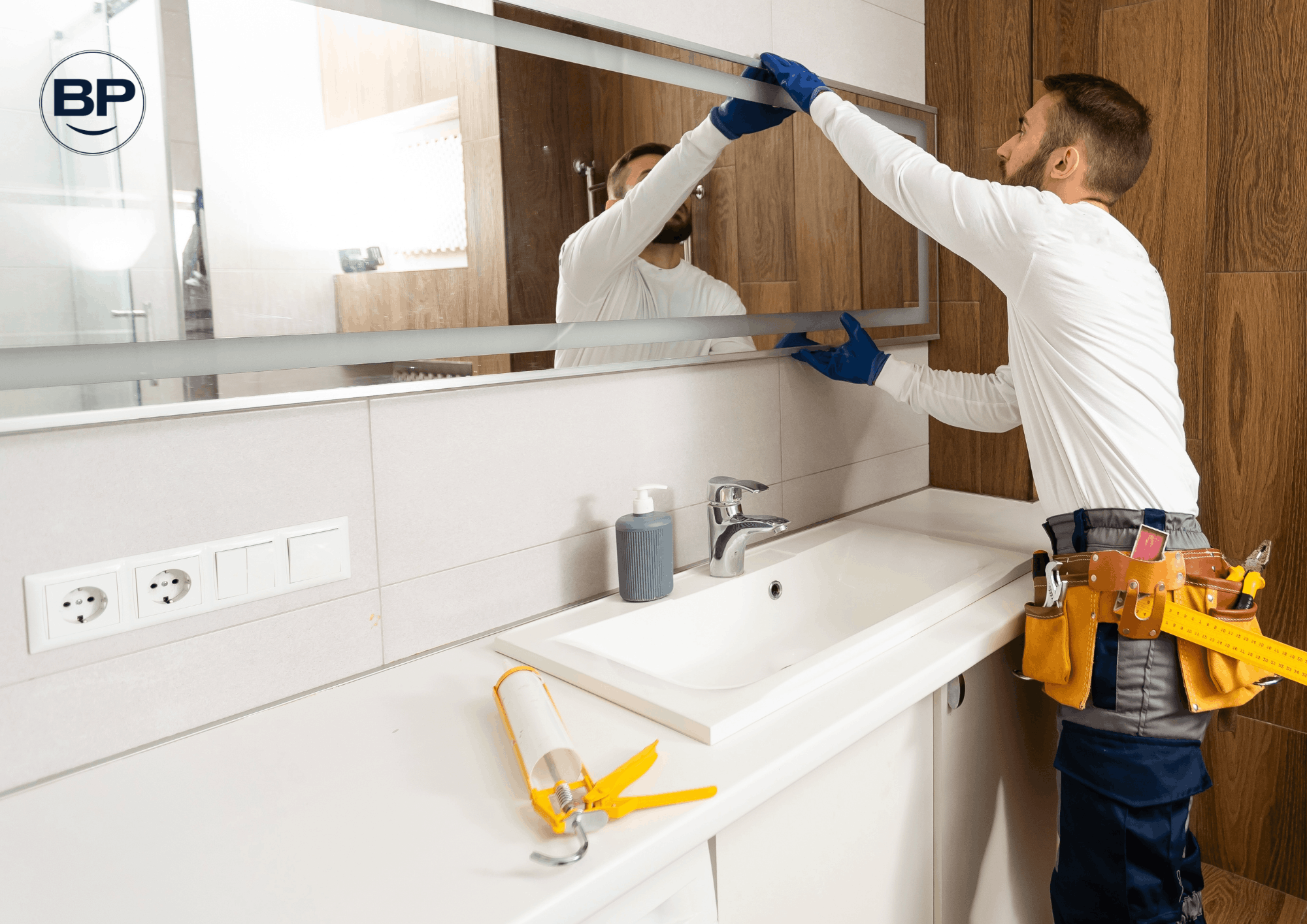 Bathrooms are another high-impact area, but like kitchens, they don’t require full renovation to add value. These are generally small spaces, and that means there’s not terribly much to be done in a bathroom. But making some cosmetic improvements can be cost-effective and impactful.
Focus on:
Replacing outdated vanities
Updating mirrors and light fixtures
Re-caulking and re-grouting tile
Installing new faucets and showerheads
If the tub or shower is structurally sound but visually worn, refinishing can be a cost-effective alternative to replacement.
Let’s Talk About Energy Efficiency: A Growing Tenant Priority
Cosmetic and aesthetic upgrades are nice. But to really seize on an opportunity in the modern market, it’s time to take a look at energy efficiency and sustainability. With California’s high utility costs, energy efficiency is increasingly attractive to tenants.
Cost-effective upgrades include:
Installing programmable or smart thermostats for convenience as well as savings
Adding weather stripping and sealing drafts for better insulation
Upgrading to energy-efficient appliances (when replacement is needed)
Using low-flow water fixtures to conserve water
While not all upgrades directly increase rent, they can reduce vacancy and attract high quality tenants. They can also improve retention. In some cases, they may also align with local incentives or regulatory requirements.
This is an important upgrade to consider. Not sure where to start? Contact us at Bell Properties.
Curb Appeal Matters
First impressions start before a tenant steps inside the property. Improving exterior appearance doesn’t have to be expensive. We like:
Basic landscaping (trimmed bushes, fresh mulch)
Power washing walkways and siding
Repainting or refreshing the front door
Updating exterior lighting
In suburban markets especially, curb appeal can influence whether a prospective tenant even schedules a showing.
Smart Home Features (Selective and Strategic)
Like energy-efficiency, the latest demand among the best tenants is smart home tech. This does not mean a fully automated property is necessary, but a few smart upgrades can make a big difference.
Consider smart locks. Tenants prefer keyless entry, and digital keypads are easy and inexpensive to install. Video doorbells are popular, as are smart thermostats and smart lights. These features appeal to modern renters and can streamline management operations.
Know When NOT to Renovate
One of the most important disciplines in real estate investing is restraint. Avoid over-customization like bold colors and niche finishes. Renovations that don’t align with rental values will only cost money without delivering benefits.
If the property is already competitive within its market segment, additional spending may not yield proportional returns.
How Can Bell Properties Be Helpful?
We understand the local market very well, and we also understand where the best value can be found in renovations and updates. We can help rental property owners:
Identify which upgrades actually justify rent increases
Avoid over-improving relative to the market
Coordinate vendors
control costs
Schedule renovations efficiently between tenants
Perhaps most importantly, we provide real-time feedback from prospective tenants on what they like, what they reject, and what they’re willing to pay more for.
This insight is difficult to replicate without consistent market exposure.
Budgeting Renovations Strategically
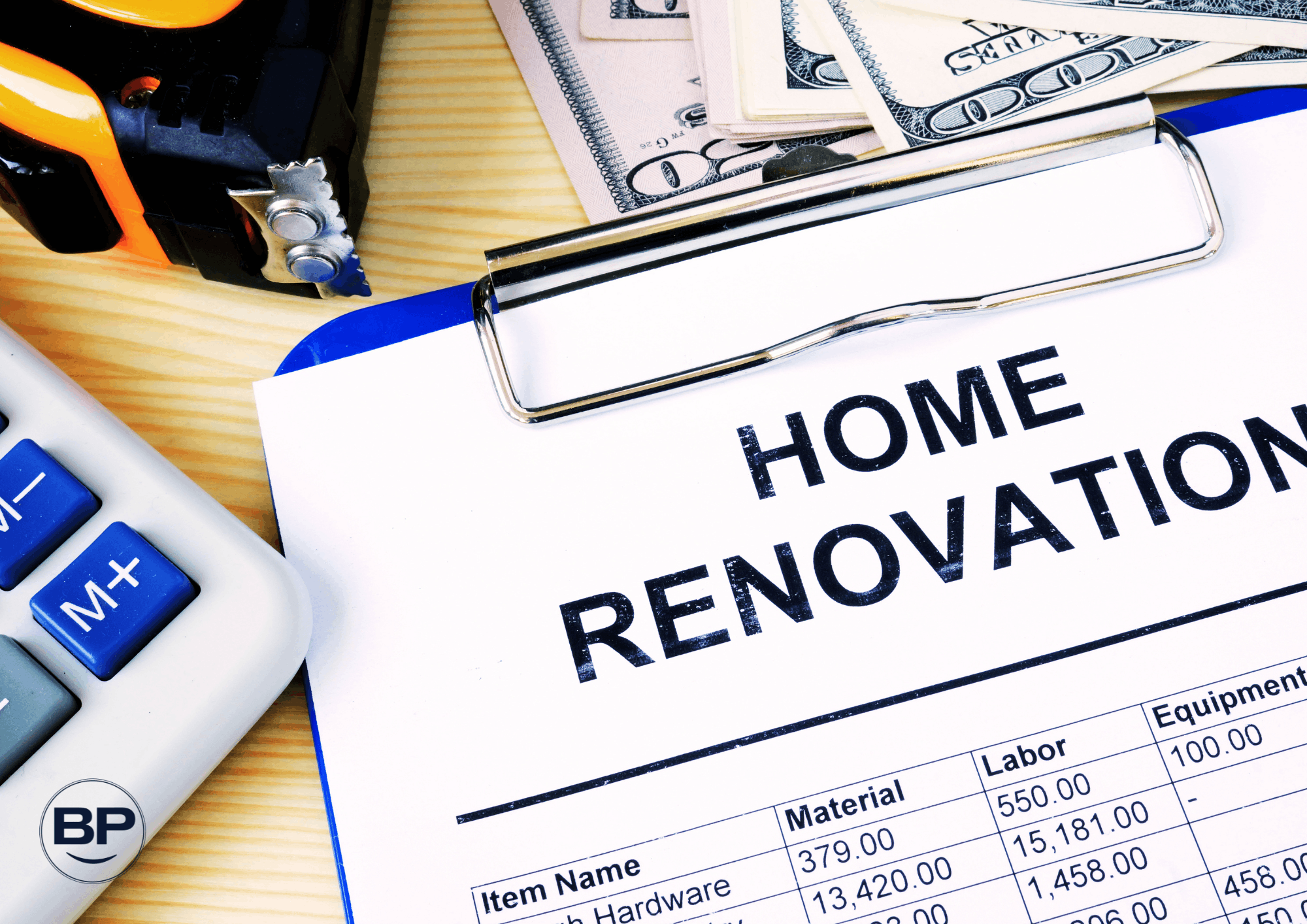
Rather than approaching renovations reactively, build a structured plan:
Allocate an annual capital improvement budget
Prioritize upgrades based on ROI
Time renovations during tenant turnover to minimize disruption
Think in terms of lifecycle costs, not just immediate expenses. A slightly higher initial investment in durable materials often leads to better long-term performance.
Our FAQs
1. How much should I budget for rental property renovations?
It depends on the property’s condition and market positioning, but many investors allocate 5–15% of property value for initial upgrades, then maintain a smaller annual improvement budget.
2. Which renovation adds the most value?
Kitchen and flooring updates typically deliver the highest return, especially when done cost-effectively.
3. Should I fully remodel before renting?
Only if the property is significantly outdated. In most cases, targeted upgrades provide better ROI than full renovations.
4. Do tenants in Northern California care about energy efficiency?
Yes, especially due to high utility costs. Even modest improvements can enhance appeal.
5. Is it worth hiring a property manager for renovations?
Yes. At Bell Properties, we can help align upgrades with market demand and prevent costly over-improvements.
Strategic renovations aren’t necessarily expensive when owners spend wisely. By aligning improvements with tenant expectations and market realities, Northern California landlords can increase rental value while protecting profitability.
We’d be happy to make some customized recommendations. Contact us at Bell Properties.
